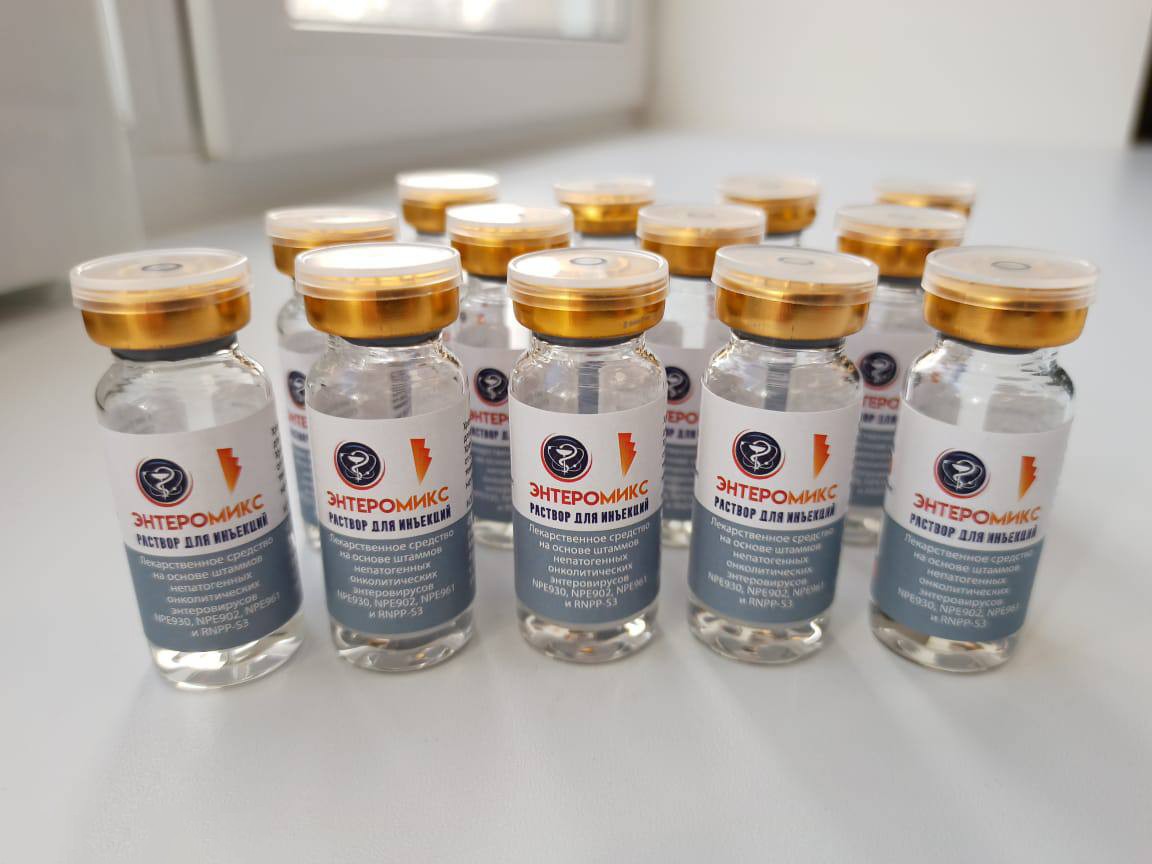
Russian Vaccine as Immunotherapy: A New Hope for Cancer Treatment
How It Works
- Researchers are exploring the vaccine’s ability to activate the immune system beyond its antiviral role.
- It works by enhancing T-cell and natural killer (NK) cell responses, which are critical for detecting and destroying cancer cells.
- The approach is similar to other immunotherapies, aiming to “teach” the body to target tumors more effectively.
Research and Trials
- Preclinical studies and early clinical trials in Russia have shown promising results in specific cancers, particularly:
- Melanoma
- Lung cancer
- Some hematological malignancies
- Scientists report improved immune response markers in patients receiving the vaccine alongside standard therapies.
- Trials are ongoing to determine safety, efficacy, and optimal dosage.
Potential Benefits
- Could enhance the effectiveness of conventional treatments.
- May provide fewer side effects compared to traditional chemotherapy.
- Offers a novel approach for hard-to-treat tumors by leveraging the body’s immune system.
Challenges and Considerations
- Research is still in early stages; larger clinical trials are needed.
- Long-term effectiveness and safety must be thoroughly evaluated.
- Regulatory approval for cancer treatment will require rigorous testing before widespread use.

Leave a Reply