What “86 Billion Neurons” Really Means
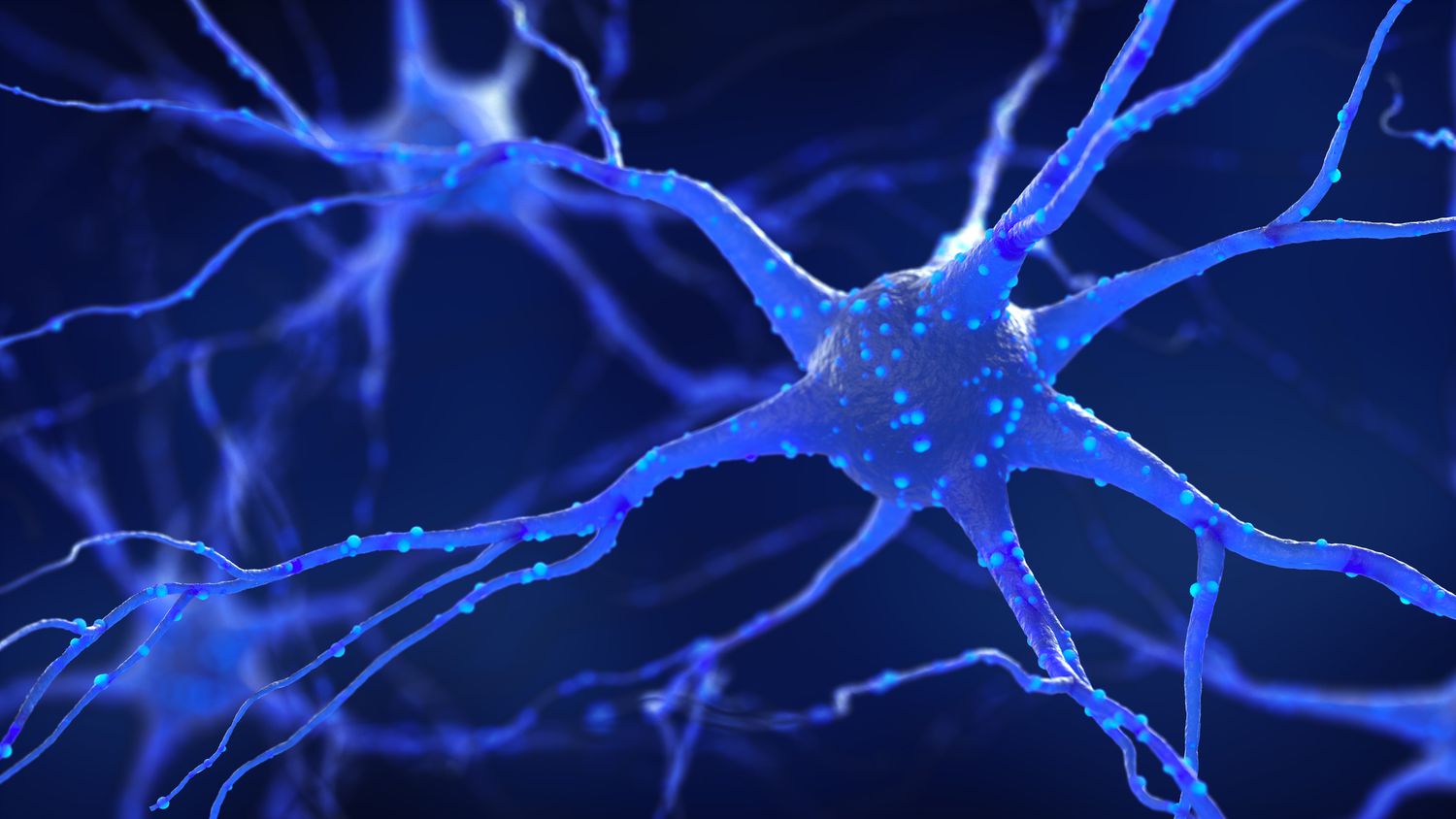
Modern counts suggest the adult human brain contains about 86 billion neurons (not the old “100 billion” myth). These neurons are distributed roughly as:
- Cerebral cortex (~16 billion): supports perception, language, planning, imagination.
- Cerebellum (~69 billion): fine-tunes movement, timing, and increasingly recognized roles in cognition.
- Brainstem & other regions: vital functions like breathing, arousal, autonomic control.
Alongside neurons are glial cells (astrocytes, oligodendrocytes, microglia) in comparable numbers. Glia support metabolism, insulate axons (myelin), modulate signaling, and help maintain and remodel synapses.
Why the Count Matters
The sheer number isn’t just trivia—it hints at the brain’s computational capacity. Each neuron can connect to thousands of others; add that up, and you get trillions of synapses, a living network that rewires with experience (plasticity). That’s how habits form, skills sharpen, and memories consolidate.
From Neurons to Minds
Neurons don’t “think” in isolation. Patterns of activity across networks give rise to perception, emotion, and thought. When networks coordinate—like instruments in an orchestra—coherent mental states emerge. When coordination breaks down, you see symptoms: confusion, poor memory, or neurological disease.
Humanity as “86 Billion in One Person”? The Global-Brain Metaphor
Your phrase—“the humans are 86 billions as one person”—captures a striking metaphor:
- People ↔ Neurons: Each person carries information, makes decisions, and passes signals through conversation, media, trade, and technology.
- Networks ↔ Synapses: Messaging apps, social platforms, roads, undersea cables—the connections that transmit ideas, resources, and culture.
- Emergent properties: Just as intelligence emerges from coordinated neural activity, collective intelligence can emerge from coordinated human activity—science, open-source projects, disaster response, and even fan communities.
Where the Metaphor Works
- Coordination: Shared goals (vaccination campaigns, climate mitigation, open research) amplify our “collective IQ.”
- Diversity: Brains thrive on rich, varied inputs; societies thrive on diverse perspectives and expertise.
- Plasticity: Institutions and norms can adapt, much like synapses strengthen or weaken.
Where It Breaks
- Agency: Neurons don’t have opinions; people do. Values clash, incentives differ, and power imbalances distort “signals.”
- Noise & Misinformation: In a brain, noisy signals get filtered. In society, misinformation can self-amplify, jamming coordination.
- Unequal connectivity: Some “nodes” (institutions, platforms) gatekeep the flow, unlike the more distributed, homeostatic brain circuits.
What We Can Learn from the Metaphor
- Build better “synapses.” Encourage transparent, high-quality information channels; support media literacy and open data.
- Reward cooperation. Align incentives (policy, platforms, funding) to elevate pro-social outcomes.
- Cultivate redundancy & resilience. Healthy brains route around damage; societies need backup systems and local capacity.
- Protect mental health—individually and collectively. A stable “global brain” depends on the well-being of its “neurons”: access to care, rest, and supportive communities.
Bottom Line
- Inside one skull: ~86 billion neurons weave a mind through connection and plasticity.
- Across the planet: billions of people weave cultures and knowledge through communication and cooperation.
- The more we improve our connections—truthful information, inclusive collaboration, resilient systems—the smarter and kinder our “global brain” can become.
CTA: What’s one “connection” (a community, project, or tool) that made you feel part of a larger intelligence? Share it in the comments—let’s map the brain of our world.
Leave a Reply